
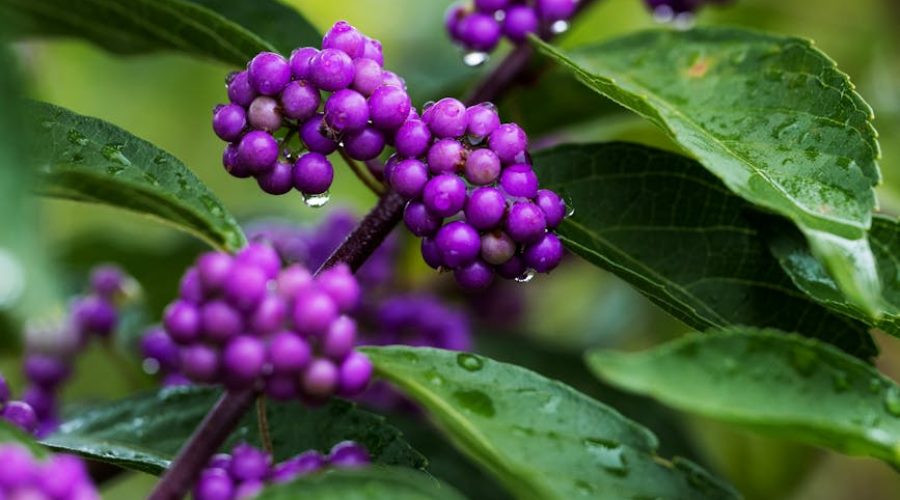
Are Beauty Berries Edible? Everything You Need to Know About This Vibrant Plant

Are Beauty Berries Edible? Here’s the Truth Behind This Eye-Catching Plant
If you’ve ever walked past a cluster of bright, jewel-toned purple berries growing on a shrub and wondered if you could eat them — you’re not alone. Known as beauty berries, these vibrant fruits have been catching people’s attention for centuries. But are they just ornamental, or are they actually edible? The answer might surprise you.
What Are Beauty Berries?
“Beautyberry” is the common name for a group of shrubs in the Callicarpa genus, a name that literally means “beautiful fruit” in Latin — and one look at their vibrant clusters makes it easy to see why. The most well-known species is the American beautyberry (Callicarpa americana), a deciduous shrub native to the southeastern United States, especially in states like Texas, Florida, Louisiana, and Georgia. However, there are over 140 known species worldwide, many native to parts of Asia, Australia, and Central America, including the Japanese beautyberry (Callicarpa japonica) and the Bodinier’s beautyberry (Callicarpa bodinieri).
These plants are prized for their eye-catching clusters of glossy, bright purple or magenta berries that form along the stems in late summer and early fall. The berries often remain well into winter, even after the leaves have dropped, providing a striking pop of color in gardens and wild landscapes. Beautyberry shrubs typically grow between 3 to 6 feet tall, prefer well-drained soil and partial sun, and are often planted as ornamental shrubs for their aesthetic appeal and low-maintenance nature.
But beautyberries are more than just a visual delight. They have a rich cultural and medicinal history dating back centuries. Native American tribes, including the Choctaw, Creek, and Seminole, used different parts of the plant for practical and medicinal purposes. The roots, leaves, and berries were brewed into teas to treat stomach ailments, fevers, and rheumatism, while crushed leaves were traditionally rubbed on the skin to repel mosquitoes and biting insects — a practice validated by modern research, which found that compounds like callicarpenal and intermedeol in the leaves act as natural insect repellents.
Today, beautyberries continue to bridge the gap between nature, tradition, and modern use. In addition to their historical applications, the berries are occasionally used in jams, jellies, syrups, and herbal teas, and the plant itself is valued as a pollinator-friendly addition to gardens, attracting birds and beneficial insects. Its combination of ornamental beauty, ecological value, and potential health benefits makes beautyberry a plant that’s as useful as it is stunning.

Are Beauty Berries Edible?
Yes — beauty berries are technically edible. They’re not poisonous to humans or animals and have been safely consumed for generations. However, their flavor might not be what you expect. Beauty berries are mild, slightly sweet, and often described as a mix of floral and herbal — but they’re not usually eaten raw by the handful like blueberries or raspberries.
Most people prefer to use them cooked or processed — for example, in jellies, jams, syrups, or herbal teas. Cooking brings out their subtle sweetness and removes the sometimes astringent aftertaste found in raw berries.
Important: As with any wild plant, make sure you’ve identified beautyberries correctly before consuming them, since many similar-looking berries in the wild can be toxic.

Common Uses for Beauty Berries
Beyond their striking appearance, beauty berries have a surprising range of culinary, medicinal, and practical uses. While they’re not as sweet as typical fruits, their subtle flavor and beneficial plant compounds make them a versatile ingredient and natural remedy. Here are some of the most popular ways people use beautyberries:
1. Beauty Berry Jelly or Jam
The most traditional and widespread use of beauty berries is turning them into jelly or jam. Because their flavor is mild and slightly floral on its own, they’re almost always cooked with sugar, citrus juice, or pectin to enhance the taste and create a richer texture. The resulting jelly is a deep pinkish-purple color and pairs beautifully with toast, biscuits, pancakes, or charcuterie boards. Some foragers even mix beautyberries with other fruits — like apples or elderberries — to add complexity and depth of flavor.
2. Herbal Tea and Wellness Tonics
Both the berries and the leaves can be dried and steeped into tea, producing a light, earthy infusion with subtle herbal notes. Historically, Native Americans brewed beautyberry tea as a remedy for fever, stomach discomfort, and rheumatism, and modern herbalists still use it today as a gentle wellness tonic. The tea is often combined with other botanicals like mint, lemon balm, or hibiscus to enhance its flavor and antioxidant benefits.
3. Natural Insect Repellent
One of the most fascinating uses of the beautyberry plant comes from its leaves rather than its fruit. When crushed and rubbed directly on the skin, they release natural compounds — including callicarpenal and intermedeol — which have been scientifically shown to repel mosquitoes and biting insects as effectively as some commercial repellents. Today, some natural skincare brands incorporate beautyberry extract into lotions, sprays, and balms designed for outdoor use.
4. Infused Syrups, Liqueurs, and Cocktails
For mixologists and home bartenders, beautyberries offer a creative way to add both color and subtle botanical flavor to beverages. Simmering the berries with sugar and water produces a vibrant purple syrup that’s perfect for cocktails, lemonades, or sparkling waters. Some enthusiasts go a step further and infuse the berries directly into vodka, gin, or rum to create seasonal liqueurs with a unique, floral-fruity profile.
5. Decorative, Craft, and Culinary Garnishes
Even when not consumed, beauty berries are valued for their aesthetic appeal. Their vivid clusters are often used in fall wreaths, centerpieces, and floral arrangements. In culinary settings, the berries can also serve as edible garnishes for cakes, desserts, and charcuterie spreads, adding a pop of natural color and a conversation-starting touch to seasonal dishes.
6. Wildlife Support and Garden Benefits
While this isn’t a “use” for humans directly, beautyberries are a favorite for birds, deer, and pollinators. Planting them in your garden helps support local ecosystems — and because they’re low-maintenance and drought-tolerant, they’re a great choice for sustainable landscaping.
Bonus: Skincare and Wellness Benefits
Beauty berries aren’t just edible — they’re also valued for their antioxidant and anti-inflammatory properties, which is why you might see “beautyberry extract” listed as an ingredient in skincare products. These properties help neutralize free radicals, support skin health, and reduce signs of aging, making them a rising star in natural beauty formulations.

Final Thoughts: Nature’s Hidden Gem
While beauty berries might look too pretty to eat, they’re more than just a decorative shrub. Safe, edible, and versatile, these vibrant purple fruits can be turned into delicious homemade recipes or even used as part of a natural wellness routine. Whether you’re foraging, gardening, or just curious about the plants in your backyard, beautyberries are a wonderful reminder that nature’s beauty often comes with hidden benefits — if you know where to look.
Pro tip: If you’re inspired by the natural beauty world, MyBeautyApp connects you with professionals who use botanicals and plant-based ingredients in their treatments. From herbal facials to botanical hair care, you can search and book experts who bring nature’s magic into their services.


Leave a Reply