
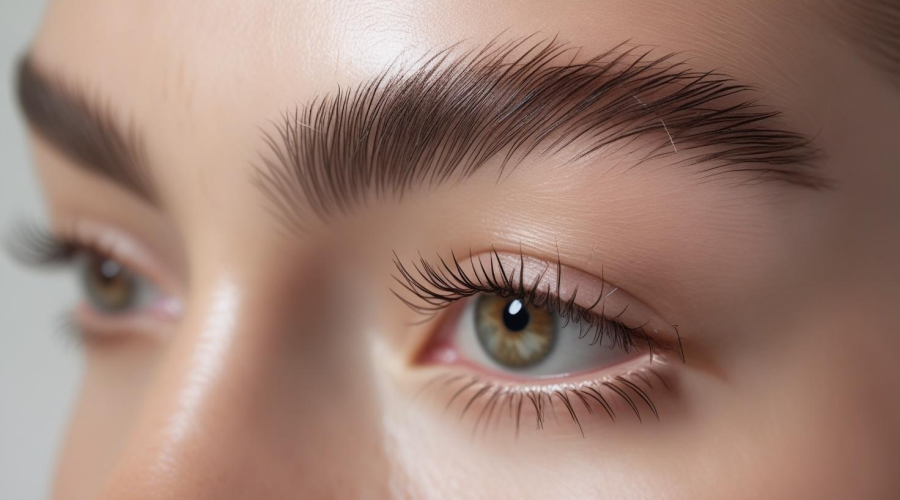
Which Brow Service Is Right for You? A Guide to Every Eyebrow Category
Brow shaping is the essential first step in defining your facial structure—it’s where every great brow begins. Whether you’re aiming for subtle refinement or a noticeable transformation, shaping clears the area around your natural brow line to highlight your arch and create balance. But choosing the right method matters, especially when considering your skin type, hair texture, and pain tolerance.

Waxing
Waxing is ideal for those who want clean, sculpted edges and longer-lasting results. It’s especially effective on thicker or coarser brow hair and gives a sharp, polished look. However, it’s not recommended if you have sensitive or reactive skin, or if you’re currently using retinol or acne treatments, as the wax can damage or remove the top layer of your skin.
Types of Wax Used for Brows
Not all wax is created equal, and choosing the right type can make a big difference—especially for first-timers or anyone with sensitive skin. The type of wax a brow artist uses impacts not just the results, but how your skin reacts after the service.
Soft wax, also known as strip wax, is one of the most commonly used types. It’s applied in a thin layer and removed using a cloth strip. This method removes both fine and coarse hairs while also exfoliating the skin, which makes it ideal for getting clean, sculpted lines. However, since soft wax adheres to both the hair and the skin, it can sometimes cause irritation or redness—especially if your skin is sensitive or if you’re using exfoliating products like retinol or AHAs.
Hard wax, sometimes called stripless wax, is a gentler alternative. It’s applied in a thicker layer, allowed to harden, and then removed without the use of a strip. Hard wax sticks only to the hairs and not the skin itself, making it a better option for people with dry or sensitive skin. It’s especially common for facial waxing, bikini lines, and other delicate areas where skin reaction is a concern. While it may not provide as crisp a line as soft wax, it’s often the preferred choice for comfort.
Cream wax offers a middle ground. It’s a type of soft wax that’s blended with soothing ingredients like aloe vera or zinc oxide to help calm the skin during and after the waxing process. It warms more slowly and applies smoothly, making it a good choice for beginners or clients with mildly sensitive skin. Because of its creamier texture, it’s easier to control and more forgiving, but may require a little extra care to achieve sharp edges.
Sugar wax, or sugaring, is a completely natural alternative made from sugar, lemon, and water. It doesn’t adhere to live skin cells, so it’s much less irritating, and it’s removed in the direction of hair growth to minimize breakage. Sugaring is great for clients who prefer a holistic, skin-friendly approach to hair removal. However, it typically offers a softer finish and may not deliver the ultra-defined look that strip waxing can achieve.
If you’re new to brow waxing, it’s always a good idea to ask your technician what type of wax they use. For anyone using retinol, acne treatments, or exfoliants, it’s recommended to wait at least 5–7 days before waxing to avoid skin damage. And of course, patch testing is never a bad idea when trying a new service or product.

Threading
Threading offers precise shaping with minimal irritation, making it a great option for those with sensitive skin—especially around the delicate eye area. It works best on fine to medium hair and is a favorite for clients avoiding wax or chemicals altogether. That said, the sensation can feel sharp, and it’s best avoided during breakouts or if your skin is thin or inflamed.
Types of Thread Used in Brow Threading
Threading offers precise shaping with minimal irritation, making it a great option for those with sensitive skin—especially around the delicate eye area. It works best on fine to medium hair and is a favorite for clients avoiding wax or chemicals altogether. That said, the sensation can feel sharp, and it’s best avoided during breakouts or if your skin is thin or inflamed.
Most brow artists use one of three types of thread: cotton, polyester, or antibacterial-coated thread.
100% cotton thread is the most traditional and widely used. It’s strong enough to grip the hair but soft enough to glide across the skin without causing too much friction. Cotton is ideal for sensitive areas and gives a natural, controlled pull, which is why it’s the go-to for most threading specialists.
Polyester thread, on the other hand, is stronger and more elastic, which can make the threading process feel slightly quicker but also sharper on the skin. It’s less common in brow services but is sometimes used for larger areas like the upper lip or face.
Some artists also use antibacterial-coated threads, which are designed to minimize bacteria transfer and reduce the risk of post-threading breakouts or irritation. These threads are ideal for clients with acne-prone skin or those prone to ingrown hairs or inflammation after hair removal.
Ultimately, most clients won’t need to choose the thread themselves, but knowing the difference can help you ask the right questions—especially if you’ve had reactions to threading before or want the gentlest option possible.
Tweezing
Perfect for detailed touch-ups and shaping in between appointments, tweezing gives total control without the need for heat or pulling. It’s especially useful for those with sensitive skin or clients who want to maintain shape without committing to a full service. Just be mindful—it’s time-consuming and can lead to over-plucking if you’re not careful.
Razor Sculpting
If you’re looking for a quick, pain-free solution, razor sculpting is a great option. It’s gentle on sensitive skin and ideal for first-timers or those just looking to clean up around the edges. However, it’s not as long-lasting as other methods, and won’t provide the same sculpted definition as waxing or threading.

Choosing the Right Brow Shaping Method
Not sure which method to book? Start with your goal—then match it to the best technique for your skin, comfort, and lifestyle:
- Want long-lasting shape?
→ Try Waxing or Threading
These hold their structure longer between appointments and give precise results. - Looking for a pain-free clean-up?
→ Go with Razor Sculpting
Great for sensitive skin or beginners—quick, gentle, and no pulling. - Need full control over shaping?
→ Choose Tweezing
Ideal for shaping slowly or maintaining between appointments. - Have very sensitive or reactive skin?
→ Stick to Threading or Tweezing
These avoid heat, wax, and chemicals.
Just want a low-maintenance trim or touch-up?
→ Use Razor Sculpting
Perfect for soft clean-up without long appointments.
What Is Brow Tinting?
Brow tinting adds depth and color to your natural brow hairs—and in some cases, even lightly tints the skin underneath. It helps make brows look fuller, more defined, and more symmetrical without makeup.
It’s not permanent, but it gives a noticeable boost to your brows that can last days to weeks, depending on the type you choose.
Types of Tinting (What They Really Mean):
Standard Brow Tinting is the most classic and widely offered tinting method. It involves applying a semi-permanent dye directly to the brow hairs to darken and define them, making them appear fuller and more even. In some cases, especially depending on the technique or skin type, the dye may also lightly stain the skin underneath the brows, which helps fill in sparse areas and gives a soft, makeup-like effect.
The tint is typically customized to match or slightly deepen your natural hair color, and the process takes just a few minutes. Results tend to fade gradually over 1 to 2 weeks, depending on your skin type, how often you cleanse or exfoliate, and how much sun exposure or oil your skin produces.
This method is ideal if you’re looking for a low-commitment way to enhance your natural brow shape without going too bold. It’s especially great for people with light, ash-blonde, or graying brow hairs that tend to disappear on the face. It’s also a good entry point if you’re considering more permanent options later, like henna or hybrid tinting, but want to test the waters first.
Henna Brows are a popular natural, plant-based tinting option that offers longer-lasting results compared to standard tinting. Derived from the henna plant, this technique stains both the brow hairs and the skin underneath, creating a soft, filled-in effect that can look similar to makeup—without the need for a pencil or pomade. Because it stains the skin more effectively, henna is especially helpful for filling in sparse areas or redefining shape, making it a favorite for those who want more definition without committing to anything permanent.
The color typically lasts 2 to 3 weeks on the skin and up to 6 weeks on the hair, depending on your skin type, skincare routine, and how often you exfoliate. Henna also tends to fade more evenly than traditional dye, which makes the grow-out process less noticeable.
Henna is a great option if you want a bolder brow that still looks natural, or if you’re in between appointments and want something that holds its shape for longer. It’s especially loved by clients who prefer vegan, chemical-free alternatives, or who are sensitive to conventional tints. That said, it’s still important to patch test beforehand, as natural products can still cause reactions for some skin types.
Hybrid Brow Tint combines the best of both worlds—traditional dye and natural henna—for a tint that delivers bolder color, longer-lasting results, and a deeper stain on both the hair and skin. This formula offers the vibrancy and coverage of henna, along with the staying power and sharpness of standard tint. The result is a more defined, high-contrast browthat mimics the look of freshly filled-in makeup but with far less daily effort.
Hybrid tints typically last up to 7 days on the skin and up to 6 weeks on the hair, making them ideal for those who want their brows to stay sharp, even between appointments. Because they stain the skin more richly than standard dye but with more predictability than pure henna, hybrid tints are a go-to choice for clients seeking structure, fullness, and a low-maintenance beauty routine.This method is especially useful for shaping correction, enhancing symmetry, or creating a statement brow that still softens over time. If you’re someone who likes the “makeup brow” look but doesn’t want the commitment or price tag of microblading, hybrid tinting is a powerful in-between. As always, those with sensitive skin should request a patch test to avoid irritation, especially since hybrid formulas can vary by brand and pigment load.

Types of Wax Used for Brows
Not all wax is created equal, and choosing the right type can make a big difference—especially for first-timers or anyone with sensitive skin. The type of wax a brow artist uses impacts not just the results, but how your skin reacts after the service.
Soft wax, also known as strip wax, is one of the most commonly used types. It’s applied in a thin layer and removed using a cloth strip. This method removes both fine and coarse hairs while also exfoliating the skin, which makes it ideal for getting clean, sculpted lines. However, since soft wax adheres to both the hair and the skin, it can sometimes cause irritation or redness—especially if your skin is sensitive or if you’re using exfoliating products like retinol or AHAs.
Hard wax, sometimes called stripless wax, is a gentler alternative. It’s applied in a thicker layer, allowed to harden, and then removed without the use of a strip. Hard wax sticks only to the hairs and not the skin itself, making it a better option for people with dry or sensitive skin. It’s especially common for facial waxing, bikini lines, and other delicate areas where skin reaction is a concern. While it may not provide as crisp a line as soft wax, it’s often the preferred choice for comfort.
Cream wax offers a middle ground. It’s a type of soft wax that’s blended with soothing ingredients like aloe vera or zinc oxide to help calm the skin during and after the waxing process. It warms more slowly and applies smoothly, making it a good choice for beginners or clients with mildly sensitive skin. Because of its creamier texture, it’s easier to control and more forgiving, but may require a little extra care to achieve sharp edges.
Sugar wax, or sugaring, is a completely natural alternative made from sugar, lemon, and water. It doesn’t adhere to live skin cells, so it’s much less irritating, and it’s removed in the direction of hair growth to minimize breakage. Sugaring is great for clients who prefer a holistic, skin-friendly approach to hair removal. However, it typically offers a softer finish and may not deliver the ultra-defined look that strip waxing can achieve.
If you’re new to brow waxing, it’s always a good idea to ask your technician what type of wax they use. For anyone using retinol, acne treatments, or exfoliants, it’s recommended to wait at least 5–7 days before waxing to avoid skin damage. And of course, patch testing is never a bad idea when trying a new service or product.
Quick Waxing Advice for First-Timers:
- Always ask your technician what type of wax they use.
- If you’re using retinol, AHAs, or acne treatments—wait at least 5–7 days before waxing.
Always do a patch test if you’re trying a new product or tech.
Types of Thread Used in Brow Threading
Threading offers precise shaping with minimal irritation, making it a great option for those with sensitive skin—especially around the delicate eye area. It works best on fine to medium hair and is a favorite for clients avoiding wax or chemicals altogether. That said, the sensation can feel sharp, and it’s best avoided during breakouts or if your skin is thin or inflamed.
Most brow artists use one of three types of thread: cotton, polyester, or antibacterial-coated thread.
100% cotton thread is the most traditional and widely used. It’s strong enough to grip the hair but soft enough to glide across the skin without causing too much friction. Cotton is ideal for sensitive areas and gives a natural, controlled pull, which is why it’s the go-to for most threading specialists.
Polyester thread, on the other hand, is stronger and more elastic, which can make the threading process feel slightly quicker but also sharper on the skin. It’s less common in brow services but is sometimes used for larger areas like the upper lip or face.
Some artists also use antibacterial-coated threads, which are designed to minimize bacteria transfer and reduce the risk of post-threading breakouts or irritation. These threads are ideal for clients with acne-prone skin or those prone to ingrown hairs or inflammation after hair removal.
Ultimately, most clients won’t need to choose the thread themselves, but knowing the difference can help you ask the right questions—especially if you’ve had reactions to threading before or want the gentlest option possible.
Choosing the right brow shaping method depends on your personal goals and comfort level. If you’re looking for long-lasting results, both waxing and threading are great options that hold their shape longer between appointments. For those who want a pain-free clean-up, razor sculpting is the gentlest and fastest method, perfect for quick touch-ups. If you prefer full control over every hair removed, tweezing gives you precision without the need for heat or tools. For anyone with very sensitive skin, threading or tweezing are the safest choices, as they minimize skin contact and chemical exposure. And if you’re just looking for a low-maintenance trim or soft cleanup, razor sculpting offers a convenient and easy solution.

Brow Lamination is often described as a “brow lift,” and for good reason—it transforms the direction and texture of your natural brow hairs by straightening and setting them into a uniform, upward shape. The result is a fuller, more defined brow that looks sleek, lifted, and sculpted without the need for pomades or gels. Lamination works by applying a gentle chemical solution that temporarily relaxes the brow hairs, allowing them to be brushed and styled into a desired position. Once the hairs are repositioned, a neutralizing solution locks them into place, and the final step usually includes shaping (waxing or tweezing) and an optional tint for extra depth and polish.
This service is especially ideal for those with thick, coarse, or unruly brows, as well as anyone chasing that “fluffy,” brushed-up editorial look seen in high-fashion and beauty campaigns. It helps fill in gaps, smooth out asymmetry, and give a clean, put-together appearance even without makeup. Lamination can also visually lift the eyes and enhance facial symmetry.The effects typically last around 4 to 6 weeks, depending on your hair growth cycle and how well you care for your brows post-treatment. While lamination is generally safe for most people, it’s not recommended for those with very sparse brows, thinning hair, or highly sensitive skin, as the lifting solution can be drying. Proper aftercare—like avoiding excessive rubbing, oils, or water for the first 24 hours—is key to long-lasting results.
Microblading and Brow Tattoos offer long-term solutions for those looking to wake up every day with their brows already done. These techniques fall under the category of semi-permanent to permanent makeup, designed to mimic the look of either real hair strokes or soft, filled-in brows. They’re ideal for clients with sparse, thinning, or uneven brows, as well as anyone tired of the daily brow routine.
There are several types, each suited to different skin types and aesthetic preferences. Microblading is one of the most popular methods—it uses a manual handheld tool with fine needles to create delicate, hair-like strokes that blend naturally into your existing brow hairs. It offers a soft, natural finish and is best for normal to dry skin types.
Ombre Powder Brows, on the other hand, are done using a machine that gently deposits pigment in a shaded, pixelated pattern. This technique results in a more filled-in, makeup-like look, similar to a softly powdered brow. It fades beautifully and works well for clients who love a bit more structure and boldness.
Combo Brows are exactly what they sound like—a mix of both microbladed strokes and powder shading. This method gives you the best of both: hair-like realism in the front of the brow, with fuller shading toward the arch and tail. It’s a great option for those who want dimension and a well-defined shape that still looks natural.
Then there are Nano Brows, a newer, more advanced technique that uses a machine to create ultra-fine, realistic strokes similar to microblading, but with less trauma to the skin. Nano brows are especially ideal for oily or sensitive skin types, where traditional microblading may not hold as well or may blur over time.While these techniques offer long-lasting results—usually between 1 to 3 years—they do require proper aftercare and occasional touch-ups to maintain their look. They’re perfect for clients who want a “wake-up-and-go” brow that won’t smudge, sweat off, or need filling in every morning.
Brow Extensions and Temporary Brows are niche services designed for short-term transformations—ideal for one-time events, photo shoots, or those navigating hair loss due to medical conditions like alopecia or chemotherapy. Though less common than other brow services, these methods can provide instant impact when traditional tinting or shaping isn’t an option.
Brow extensions involve applying individual synthetic hairs directly onto the skin or remaining brow hairs using a gentle adhesive. The result is a natural-looking, fuller brow that can be customized in density, color, and shape. However, because the adhesive is lightweight and not designed for long wear, the results typically last up to 5–7 days, depending on aftercare and skin type. They’re especially useful for those with very sparse or patchy brows who want a temporary but realistic enhancement.
Alternatively, temporary brows can also come in the form of stenciled designs or adhesive “sticker” brows, which are pre-shaped and applied directly to the skin—similar to a brow tattoo transfer or decal. These are less natural-looking up close, but they offer an easy, fast fix for people who may not be ready for tinting, makeup, or permanent procedures. They can be a helpful solution for clients undergoing treatments or simply experimenting with different brow shapes.Both options are best for individuals with little to no brow hair, or for anyone who wants a dramatic change without a long-term commitment. While not ideal for daily wear, they serve an important purpose in the beauty world by offering accessibility, confidence, and creativity where more permanent services may not be practical.
Brow Lifting treatments, like Botox lifts and thread lifts, are non-surgical ways to achieve a higher, more lifted brow without committing to invasive procedures. While these aren’t typically offered at standard beauty salons, they’re becoming increasingly popular among clients who want that clean, “snatched” look with little to no downtime. These treatments are usually performed in med spas or dermatology offices and are often used as enhancements to brow shaping or tinting—not replacements.
The most common option is the Botox Brow Lift, which involves injecting small amounts of Botox into specific muscles of the forehead. This relaxes the muscles that pull the brow downward and allows the muscles that lift the brow to work more freely. The result is a subtle but noticeable lift of the brow arch, opening up the eye area and creating a fresher, more awake appearance. Effects typically last about 3 to 4 months, and it’s a favorite for people looking to enhance their natural shape without altering it permanently.
Another option is the thread lift, a minimally invasive procedure where tiny dissolvable threads are inserted just under the skin to physically lift and sculpt the brow area. This technique offers instant lift and contour, with results that can last 6 to 12 months, depending on the thread material and individual skin response. Thread lifts are often chosen by those who want a more dramatic lift but still want to avoid surgery or extended recovery time.These options are best suited for clients who want elevated brows, enhanced arch definition, or a more youthful eye area—especially when paired with other brow treatments like lamination or tinting. While these procedures are not for everyone, they’re a growing trend among beauty-forward clients who want lasting results with minimal maintenance.
How to Choose the Right Brow Service
Start with what you’re looking for, then match it to the service that fits best:
- Want long-lasting results?
→ Try Microblading or Powder Brows for semi-permanent definition. - Prefer something low-commitment?
→ Go with Tinting or Shaping—easy to maintain and beginner-friendly. - Love bold, brushed-up brows?
→ Choose Brow Lamination for a fuller, lifted effect. - Want a natural-looking lift without makeup?
→ Consider a Botox Brow Lift—no surgery required. - Have sparse or patchy brows?
→ Look into Henna, Hybrid Tint, or Microblading for more coverage.
On a budget but want a boost?
→ Start with Shaping + Tinting for affordable, visible results.
Final Thoughts
Your brows are yours. Whether you’re going for soft and natural, lifted and laminated, or something bold and sculpted—you deserve to know what you’re asking for. That’s the whole reason I created this guide.
And if you’re still unsure, platforms like My Beauty App let you search specific keywords—like “natural brow tint” or “ombre microblading”—to help you find brow artists who match your exact vision.
No more scrolling confused. No more guessing.


Leave a Reply